

ABOUT US
We are a 501c3 Christ-centered organization built upon the Biblical truth that Jesus Christ is the Son of God
OUR STORY
The Birth of Honduras Outreach
Since 1989, Honduras Outreach, Inc. (HOI) has been equipping communities in Honduras with the skills and resources for lasting change through sustainable local development and faith-based initiatives. What began as a small mission trip to Rancho el Paraíso has grown into one of the nation’s leading NGOs, impacting over 200 communities in the Agalta Valley and San Lorenzo.
By partnering with various mission teams, we’ve achieved growth in our programs across education, healthcare, agriculture, community development, and spiritual life. Our dedication has been recognized by multiple presidents, respected associations, and local mayors, including the prestigious Francisco Morazán Award.
Join HOI as we work side by side to improve the quality of life and provide basic human rights to those we meet in the communities of Honduras.
OUR MISSION & VISION
Help improve Quality of Life and Transform hearts for Christ
Why HOI?
Most of the people who come and serve with us say their lives were profoundly changed, often receiving far more than they gave. HOI is an organization dedicated to comprehensive community transformation and empowerment in Honduras. Unlike many nonprofits with a single focus, HOI partners with local leaders to improve every aspect of community life—health, education, infrastructure, and faith. Guided by Biblical principles, we believe in showing Christ’s love, treating all with dignity, and strengthening families through faith and support. Our mission is to bring sustainable change through a strategic and smart approach, while sharing the good news of Jesus Christ in both word and action.
OUR IMPACT
Years of
Service
Years of Service
Communities
Projects
Volunteers
Help Us Help Others
Give Hope Today! Donate and help us improve lives in Honduras.
RECOGNITION
Honduran Recognition: The Francisco Morazan Award
We have been identified as one of the top five most effective NGOs working in the country by the Honduran government.
In 2014, HOI was awarded the prestigious Francisco Morazan Award, the nation’s highest honor, for our dedication to the health and welfare of the people of Honduras. As our relationships and partnerships continue to grow stronger and our mission gains national and international recognition, HOI’s ability to help those in need continues to increase..
About the Award
The Order of Francisco Morazan was institutionalized in March of 1941 in honor of one of Honduras’ greatest national heroes, President Francisco Morazan. The award is given to recognize extraordinary achievement in both civil and military fields by both Hondurans and foreigners
Say Hello to Our Team Members
Read More
David Tyler
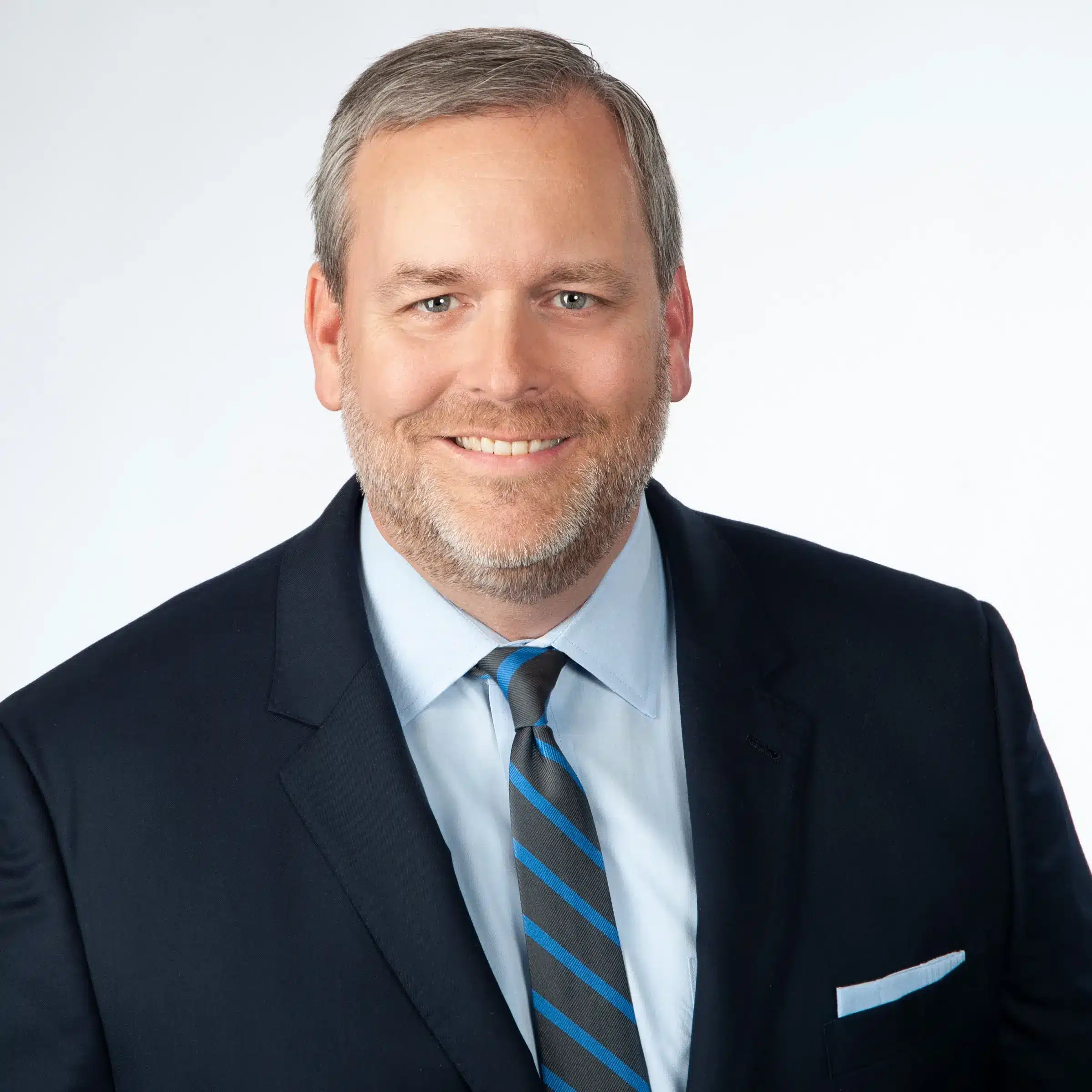
David Tyler
Chairman
David Tyler is the National Managing Principal of Healthcare in the healthcare practice of Grant Thornton Advisors LLC, where he serves nearly 700 healthcare colleagues across Grant Thornton’s audit, tax and advisory business serving over 1,000 clients. Tyler has held several upper-management positions in the healthcare industry, including EY’s healthcare practice, a regional vice president at an SEC-registered physician management company and several positions with Emory Healthcare in Atlanta. He holds a bachelor’s degree from the University of Georgia and is a frequent speaker and published author on healthcare-finance and strategy related topics.
David also sits on the Board of Youth Villages®, a national leader in mental and behavioral health committed to finding the most effective solutions to help children, families and young adults live successfully. Working through direct services, partnerships with innovative public agencies and advocacy, YV serves more than 43,000 children and young adults in more than 100 locations in 27 states and the District of Columbia. Youth Villages has been recognized by the Harvard Business School, U.S. News & World Report and was identified by The White House as one of the nation’s most promising results-oriented nonprofit organizations.
He has been happily married to Lisa for 28 years and has three children Davis (24), Kate (22) and Max (21). David is an avid golfer, Dawgs fan and teaches adult Sunday School.
Read More
Bob Hope
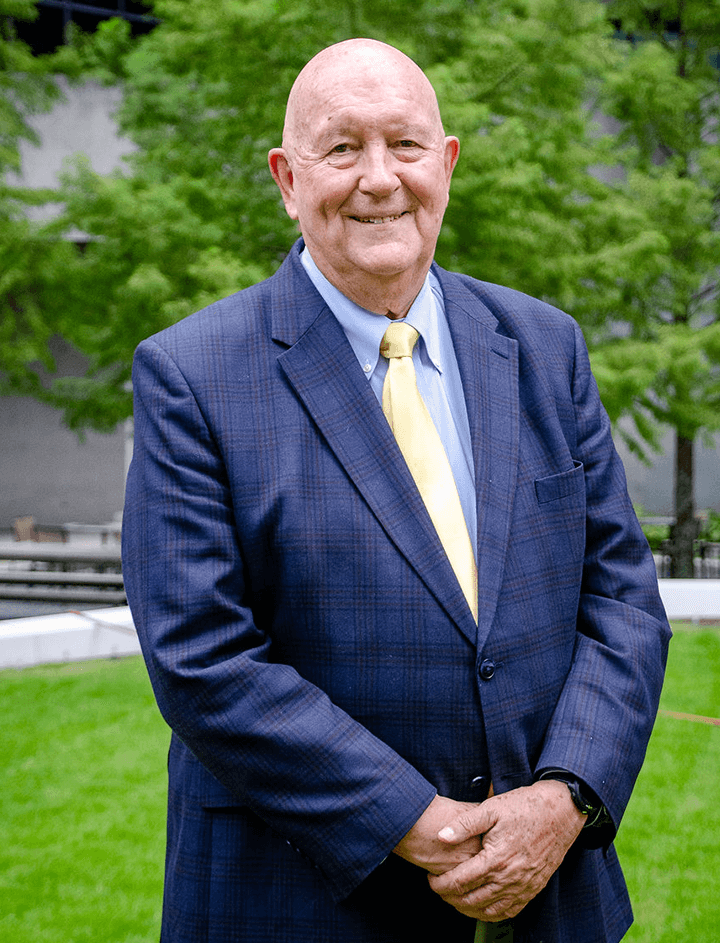
Bob Hope
Board Member
CEO and founder of Hope Beckham Espinoza, is widely regarded as the most well-connected public relations professional in Atlanta. Over the course of his distinguished career, he has earned numerous accolades, including being named one of the “Most Influential Business Leaders in Atlanta” and one of the “Most Admired CEOs” by the Atlanta Business Chronicle. Since 2018, he has been consistently recognized as a Legend in Atlanta Magazine’s “Atlanta’s 500 Most Powerful Leaders.”
Bob is active in the community as a champion to many charities and philanthropic groups. As an active and highly decorated member of the Rotary Club of Atlanta, he is a recipient of Rotary International’s highest honor, the “Service Above Self Award,” and is the only member in the club’s history to receive all four of its top awards—Hospitality, Community Service, International Service, and Service to Rotary.
Bob has also served on The Carter Center Board of Councilors for 14 years, where he has participated in international democracy-building efforts, including two election observation missions in Nepal. He detailed his experiences in the Atlanta Business Chronicle and presented his insights to influential business and civic leaders at the Rotary Club of Atlanta.
In 2020, Bob joined a non-partisan initiative led by former U.S. Senate candidate Michelle Nunn and political activist Eric Tanenblatt to encourage voter participation in Georgia during the presidential election, representing HBI in support of this civic engagement effort.
Bob has led groups of business people to Honduras for more than 25 years. In 2005, Bob started the Honduras Agalta Valley Education (HAVE) to help provide better education opportunities for students in Honduras.
Bob lives in Decatur and has two adult daughters and 4 grandchildren.
Read More
Joshua Young
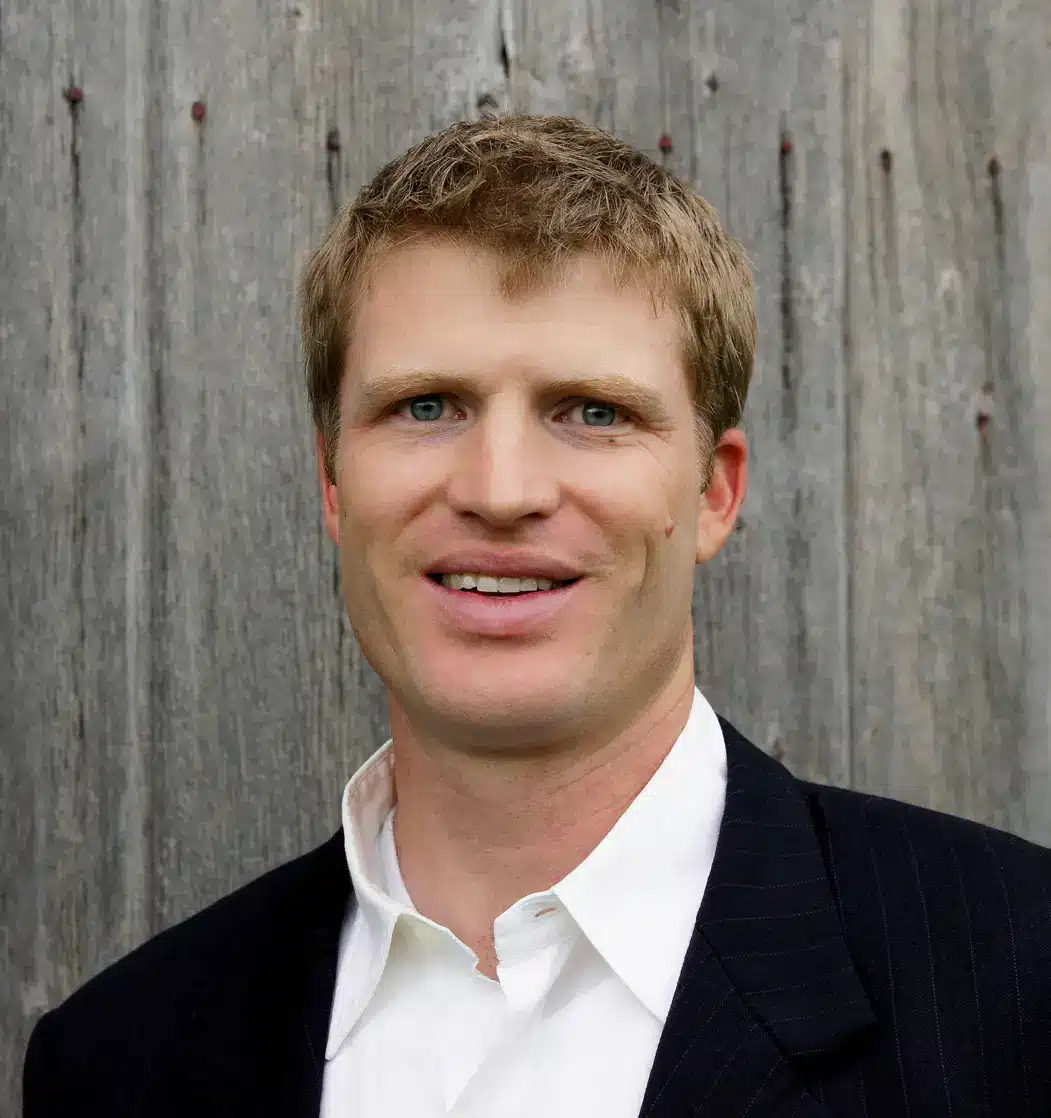
Joshua Young
Board Member
Josh Young is the principal of Land Resource Group, a firm dedicated to providing expert farmland appraisal, management, and brokerage services. With a lifelong connection to agriculture, Josh grew up on a 2,500-acre grain farm in Macoupin County, where he gained firsthand experience in farm operations and land stewardship as a fifth-generation farmer.
Josh earned a degree in Agricultural Economics from the University of Illinois, equipping him with the analytical skills and market expertise to guide clients in farmland investment, management, and valuation. His comprehensive approach helps landowners, investors, and farm operators make informed decisions that maximize land productivity and long-term value.
Beyond his professional work, Josh has been an active member of HOI for several years, contributing his knowledge and experience to support the organization’s agricultural initiatives. His background and expertise allow him to offer valuable insights into land management and investment strategies.
Read More
Dr. Lee Woodall
Dr. Lee Woodall
Board Member
Lee Woodall, MD, is a family practice physician in Barnesville, GA. He is a longtime HOI Board member and serves on HOI’s medical committee.
Lee helped establish some of HOI’s most remote medical clinics in the mountains of Honduras. His pioneering spirit led him to work with the most needy and remote people in the Agalta region. Lee has also been a primary trainer to the HOI Honduras medical staff, and he is loved by and known to all in the Valley.
Read More
Dr. Stephen Wilks
Dr. Stephen Wilks
Board Member
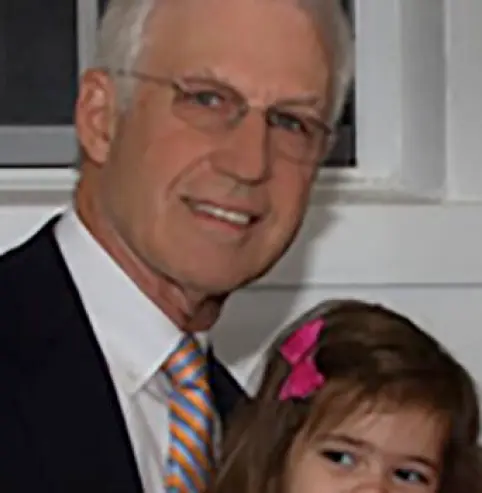
Stephen M. Wilks, M.D. currently resides in Clarkesville, GA with his wife Robin. He is a graduate of Marshall University and Emory University School of Medicine. Following an internship in internal medicine at Grady Memorial Hospital he served in the USAF as a flight surgeon in Okinawa, Japan. After completing residency and fellowship in diagnostic radiology and neuroradiology at Emory University affiliated hospitals he served on the staff at Piedmont Hospital and Shepherd Center in Atlanta, GA from 1981-2008.
He has been active in Honduras missions with HOI since 1991, serving on its board of directors, as well as serving on the board of ECHO Foundation. He remains on the advisory board of Shepherd Center.
Read More
Dr. Daniel Lohnes
Dr. Daniel Lohnes
Board Member
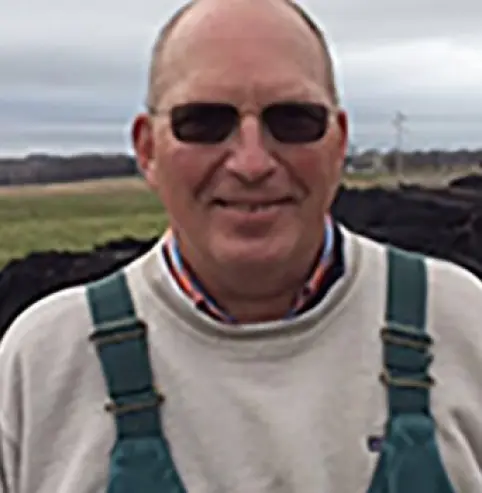
Dr Dan is a 1982 graduate of the University of Illinois college of Veterinary Medicine. Dan and his wife Debbie live on a beef cattle farm in central Illinois. They have 3 children and 9 grandchildren. Dan is semi-retired as of 2024.
Dan has been involved with the Agriculture program of HOI since 2012. His goal is to make HOI a self-sustaining mission through agriculture. Dan is chairman of the Agriculture committee and president of RELP (the for profit arm of HOI).
Dan’s other goal is to make Rancho el Paraiso a center of Agriculture extension for the Agalta Valley.
Dan’s motto for his life is: I have only one thing to do today- Follow Jesus.
Read More
Daniel Toon
Daniel Toon
Board Member
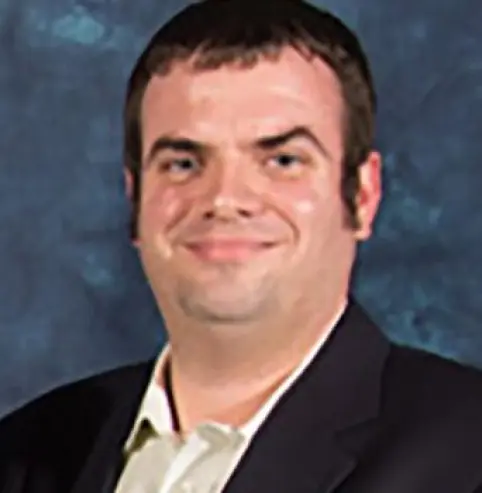
Daniel Toon, P.E. FACI Vice President, Chief Engineer United Forming, Inc.Austell, GA
I first traveled to Honduras with HOI as a thirteen year old, and traveled nearly every year for the next ten years. As my travel flexibility changed with work responsibilities, I joined the board and worked to stay engaged with supporting the work of others with HOI. I learned to mix concrete with HOI, and from that experience, I have made a career in the concrete industry, working for one of the South’s largest concrete structure builders, while serving on national committees directing the future path of concrete and becoming a Fellow of the American Concrete Institute.
I hope that my two children can have the opportunity to travel to Honduras as well, and work alongside the wonderful people of the Agalta Valley. We often think we travel to serve others, and while the work we do and the time we invest is certainly valuable, the rewards we receive as we build relationships with our Honduran hosts cannot be measured. I cannot think of a clearer showing of God’s guidance in my life than my experiences in Honduras, and I am thankful for HOI for providing these opportunities.
Read More
Cissy Watson
Cissy Watson
Board Member
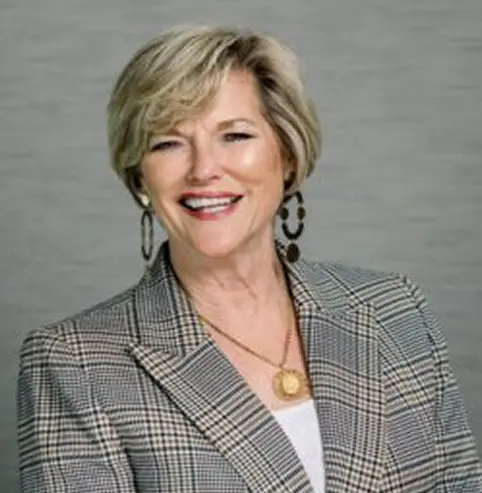
Cissy C. Watson has been participating in Honduras mission trips with HOI since its beginnings. She began her career in the housing industry in 1983. After attending Pepperdine University, she started her work in the development and management of multifamily housing communities for senior citizens. A native Atlantan, Ms. Watson took the helm of Mansermar, Inc. in 1985, where she served over 20 years.
In 1996, Ms. Watson founded Hometowne Communities, a development, construction management, property management and asset management firm specializing in apartments. She also served as the developer for the acquisition and rehab of multifamily housing communities in Texas and Georgia.
Ms. Watson developed a mixed use community in downtown San Diego and is an owner in this unique affordable housing community. In addition, Ms. Watson retains ownership in Mansermar, Inc., an experienced management agent specializing in affordable properties for senior citizens.
Ms. Watson and her husband, Ted, have owned a Dairy Queen in Owensboro, Kentucky since 2008. Along with their son, Hunt, they have recently opened a franchised Italian restaurant, Mirko Pasta.
The Watsons currently reside just outside of Athens, GA. They belong to Athens Church and work extensively with missions efforts in Honduras, Africa, India and China. They enjoy traveling and spending time with their 3 children.
Read More
Shannon Dill
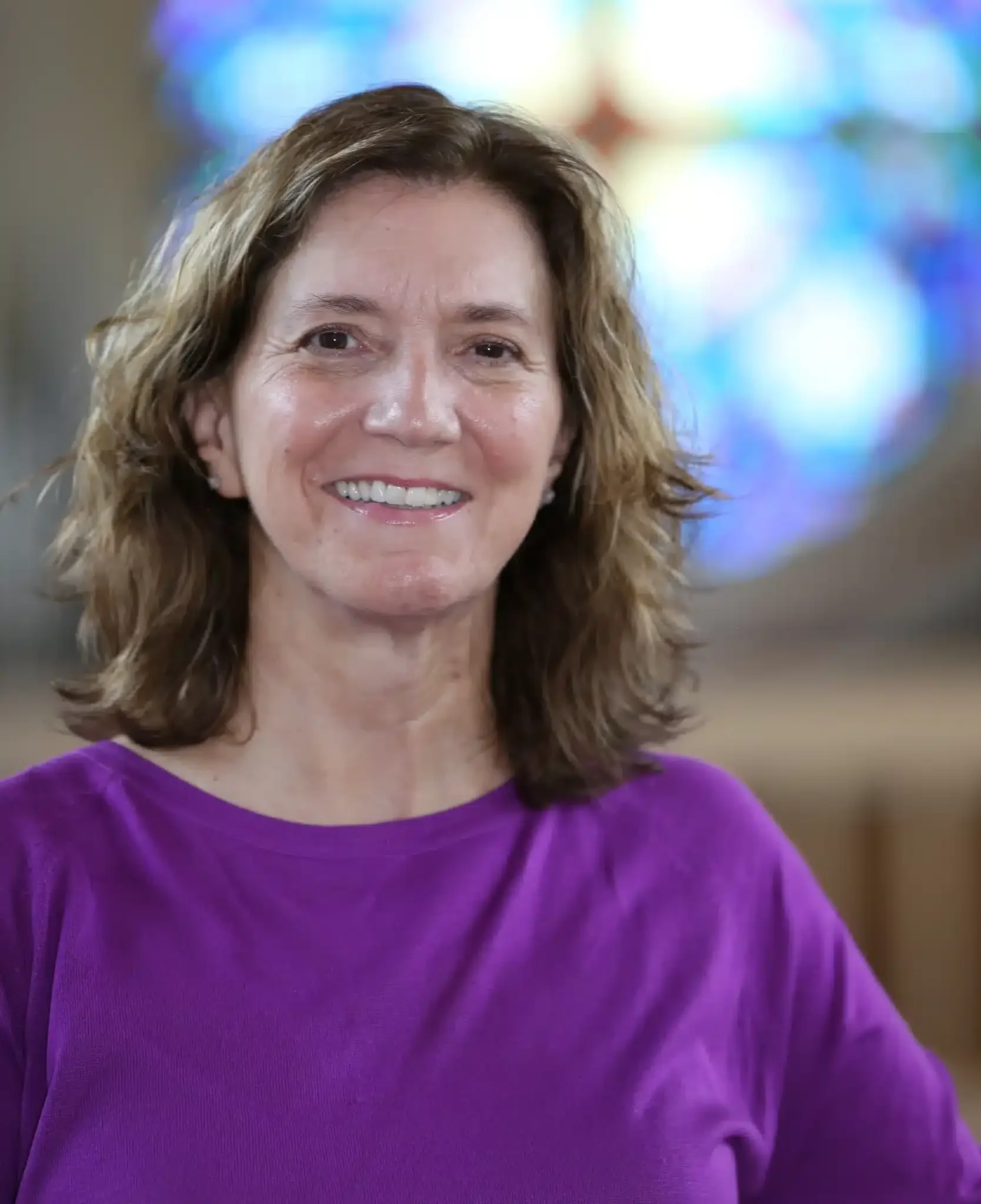
Shannon Dill
Board Member
Shannon Dill serves as Associate Pastor of Saint Luke’s Presbyterian Church where she works alongside a fantastic staff. Shannon’s role spans the entire ministry of the congregation, but her passion is engaging members of all ages in mission and outreach and helping members identify their gifts for making a difference in the world wherever they may be. Since 1992, she has been involved with HOI leading groups, working directly with HOI staff in Honduras and the US to support program development and staff growth, and serving as a Director.
In her free time, Shannon enjoys running and is in the process of running 13.1 miles in all 50 states. She and her family enjoy traveling together and try to be intentional in viewing their travels through a theological lens.
She is a graduate of Austin College with a degree in psychology and received her Master of Divinity from Austin Presbyterian Theological Seminary. Shannon also serves on the Board of Directors Maji Mazuri USA (the US-based branch supporting the work of the NGO Maji Mazuri based in Nairobi, Kenya), as well as having served on other non-profit/NGO advisory boards over the years. Shannon is married to Don and they have two grown daughters, Maddie and Callie,all of whom have spent time serving with HOI, Inc.